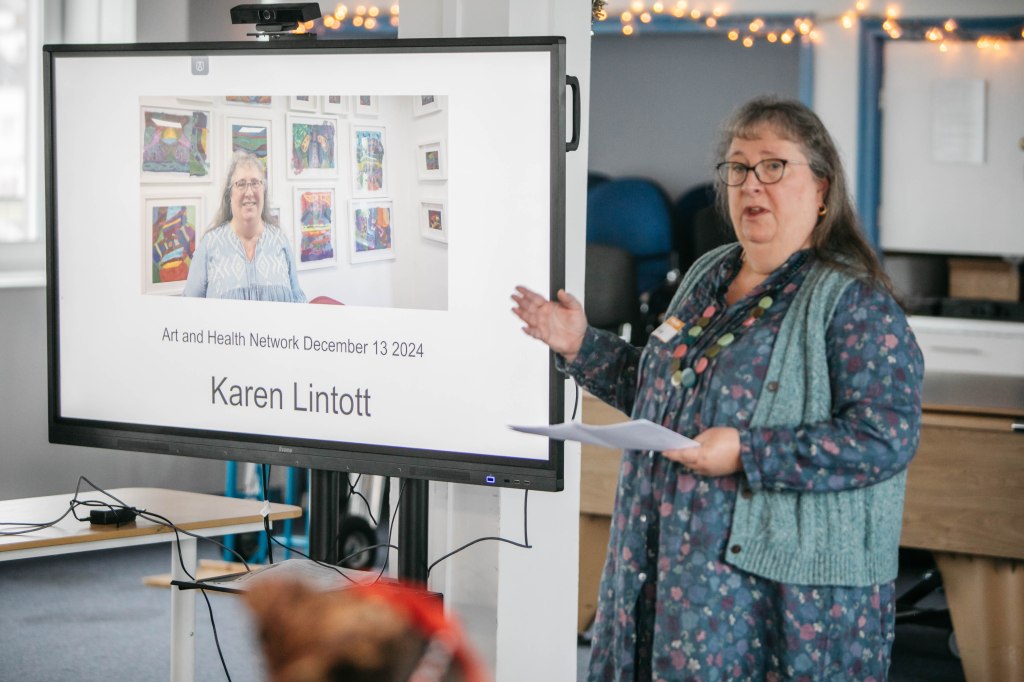
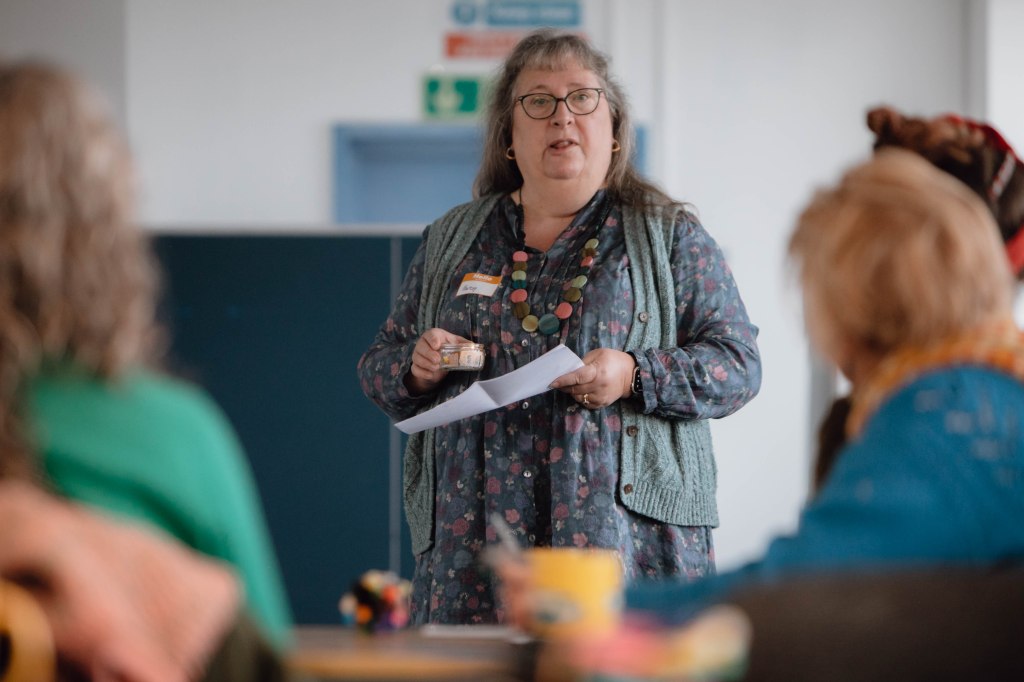
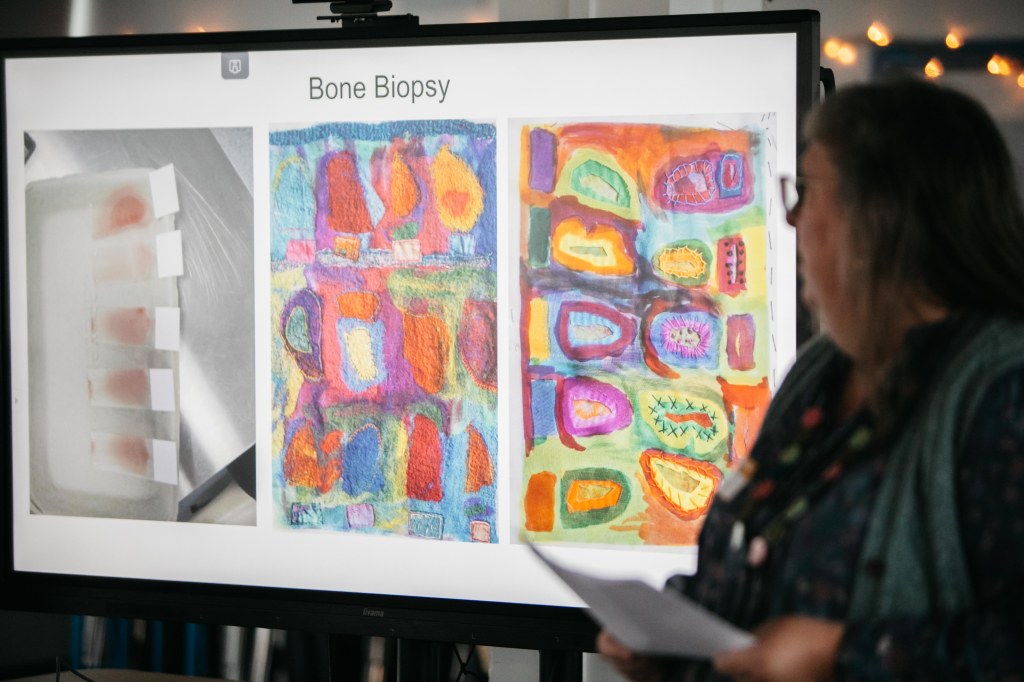
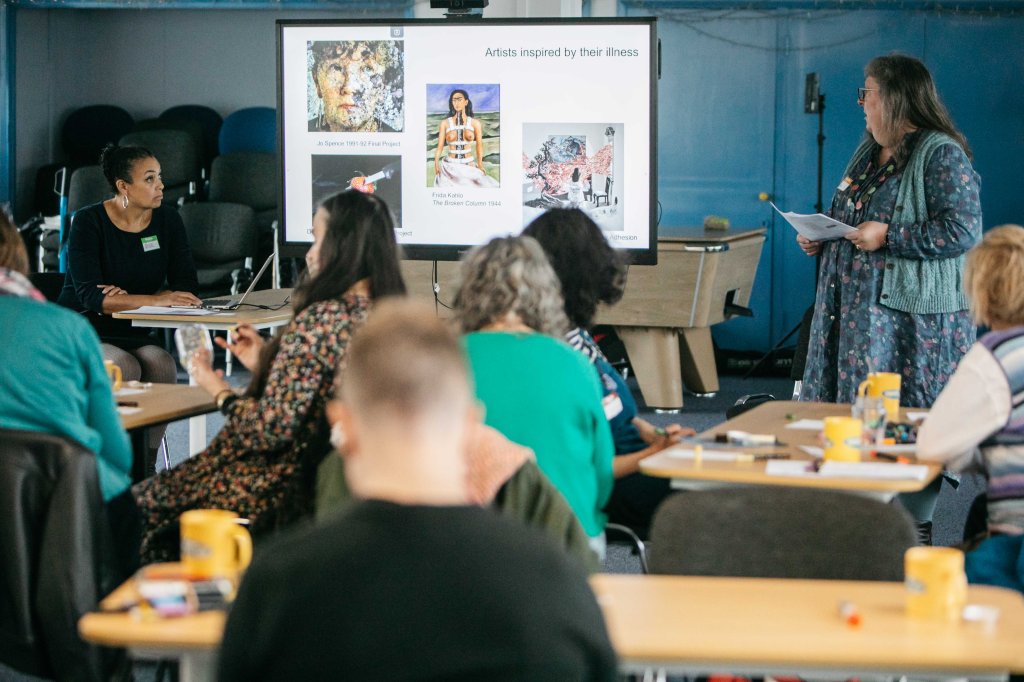
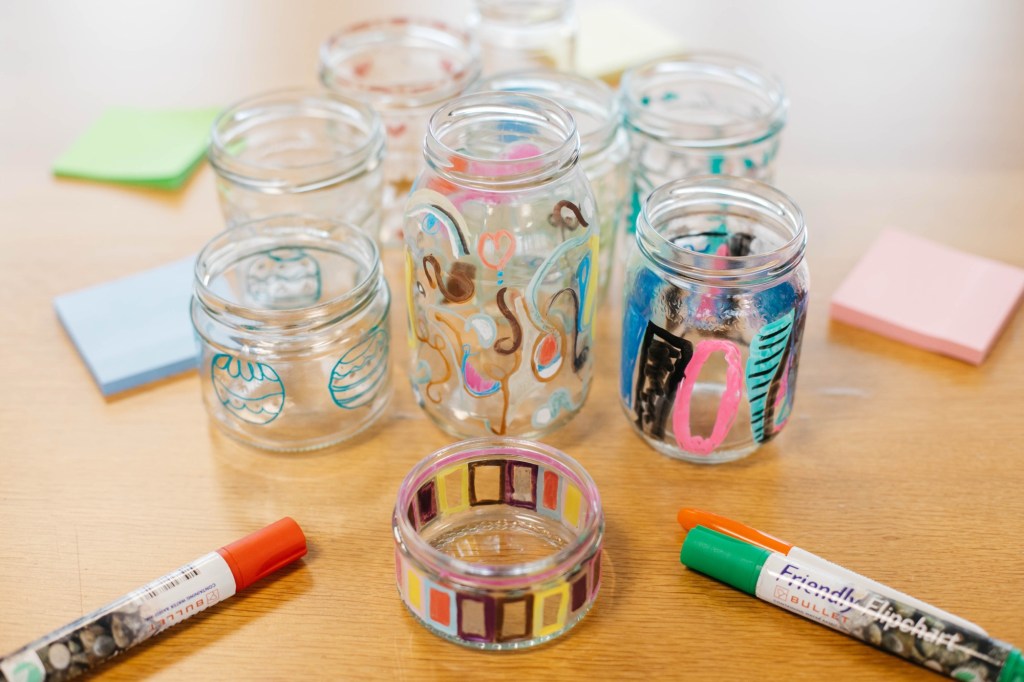
I discovered Brighton Art and Health Network during the pandemic. It was through them that I did the Flourish Artists training project in 2022 for artists to learn how to facilitate art and health workshops. I was asked to facilitate a workshop and talk about my journey into the Art and Health field for the December 2024 Art and Health Network meeting organised by Creative Future.
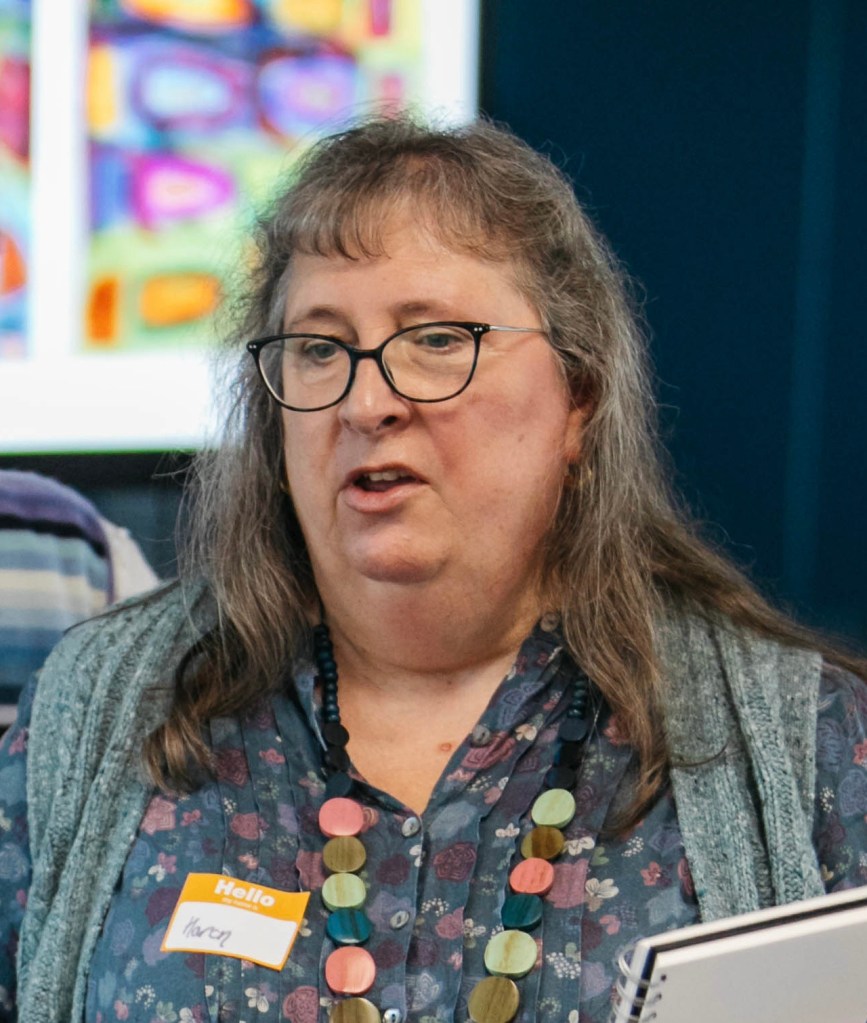
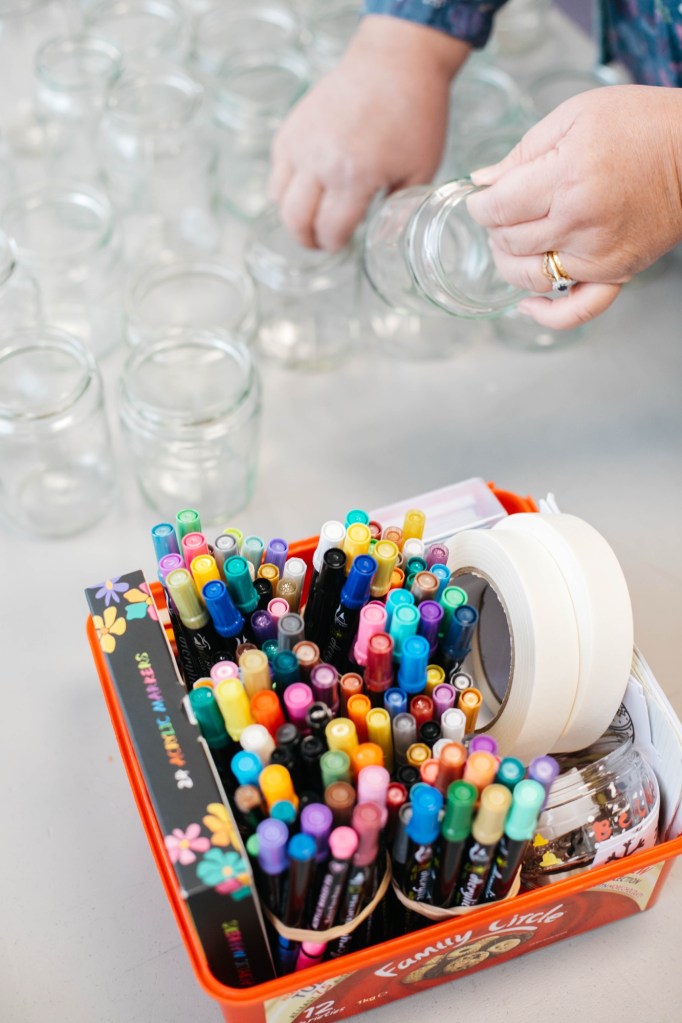
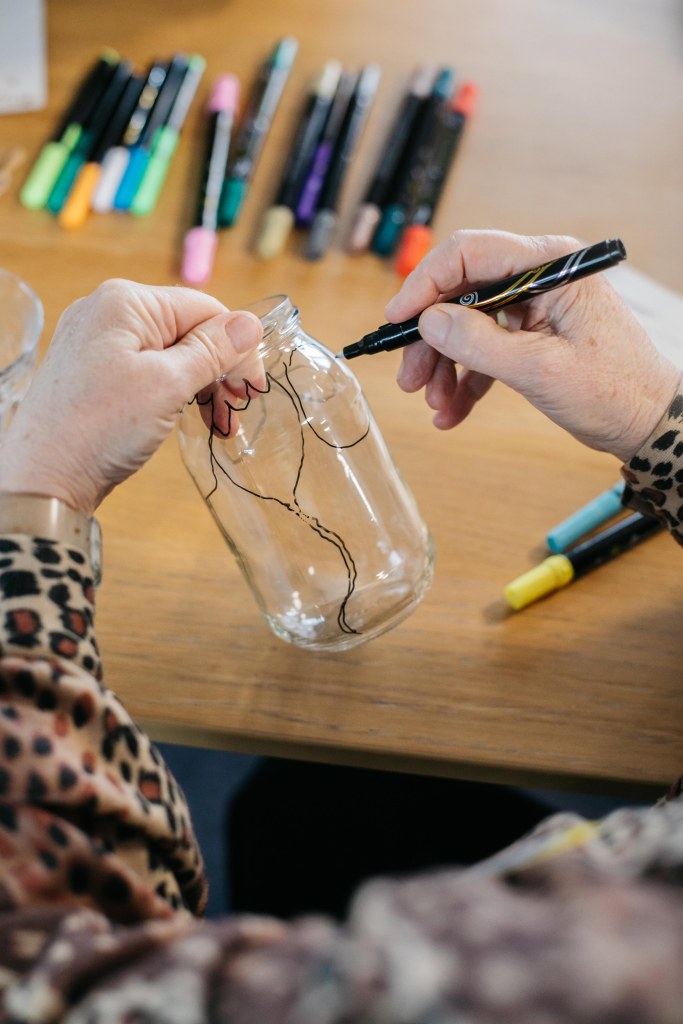
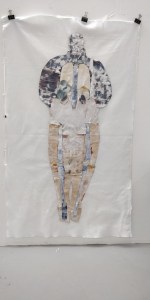
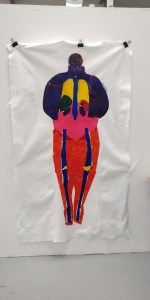
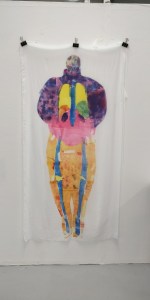
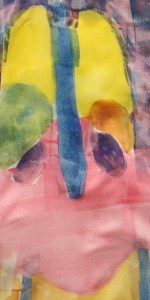
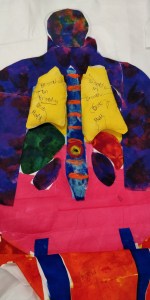
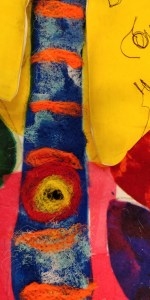
Below are some of the photographs from the work shop. Photographs by Diensen Pamben
I am delighted to be part of Creative Future’s Flourish Artists training programme.
FLOURISH was a free training opportunity from Creative Future as part of The Hera Partnership programme, delivered with funding from Brighton & Hove City Council.
The training was designed to support creative practitioners/facilitators who are interested in the field of Arts for Health and Wellbeing, were complete beginners or had up to a year’s of experience, and live or work in Brighton & Hove. It included workshops, mentoring, peer-to-peer support and work shadowing opportunities.
The paper I wrote during my MA and presented at 15th International Conference on the Arts in Society has finally been published. Do check it out if you can access academic papers on line. International Journal of Social, Political & Community Agendas in the Arts . Jun2022, Vol. 17 Issue 1, p1-17. 17p. Please contact me for further information.
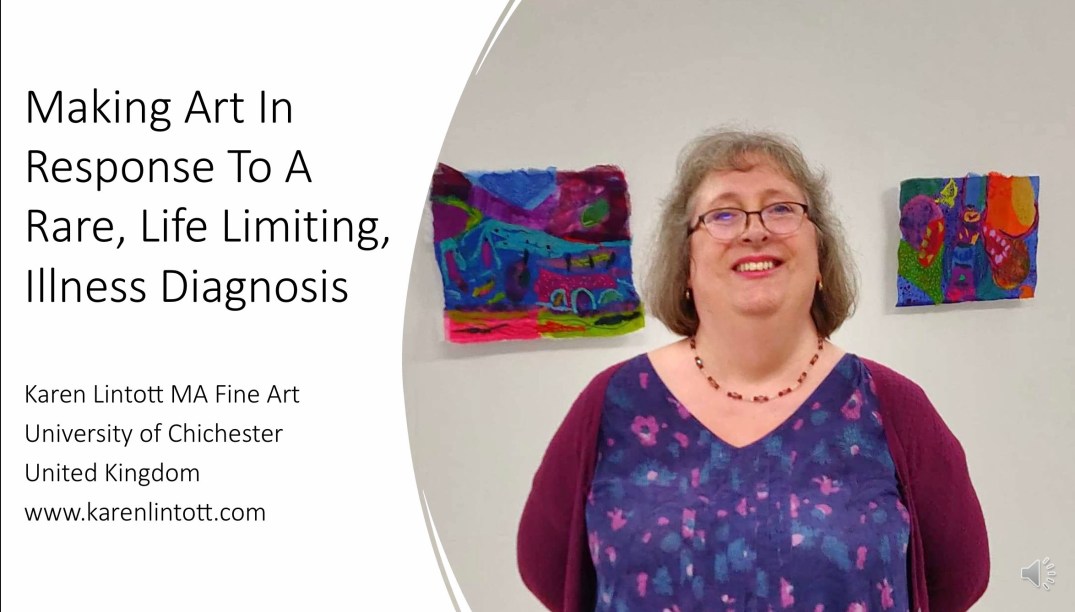
Last week I was supposed to be in Galway at the 15th International Conference on the Arts in Society. Like most things these days it went virtual, so I spent the time watching video submissions from other participants. The conference concluded with a Zoom call with about 20 other participants. My only previous experience of academic conferences was the medical conferences I attended when I worked in the pharmaceutical industry. The human interaction of discussing shared interests was missing and hard to replicate online.
My talk was based on the paper I wrote for my MA.
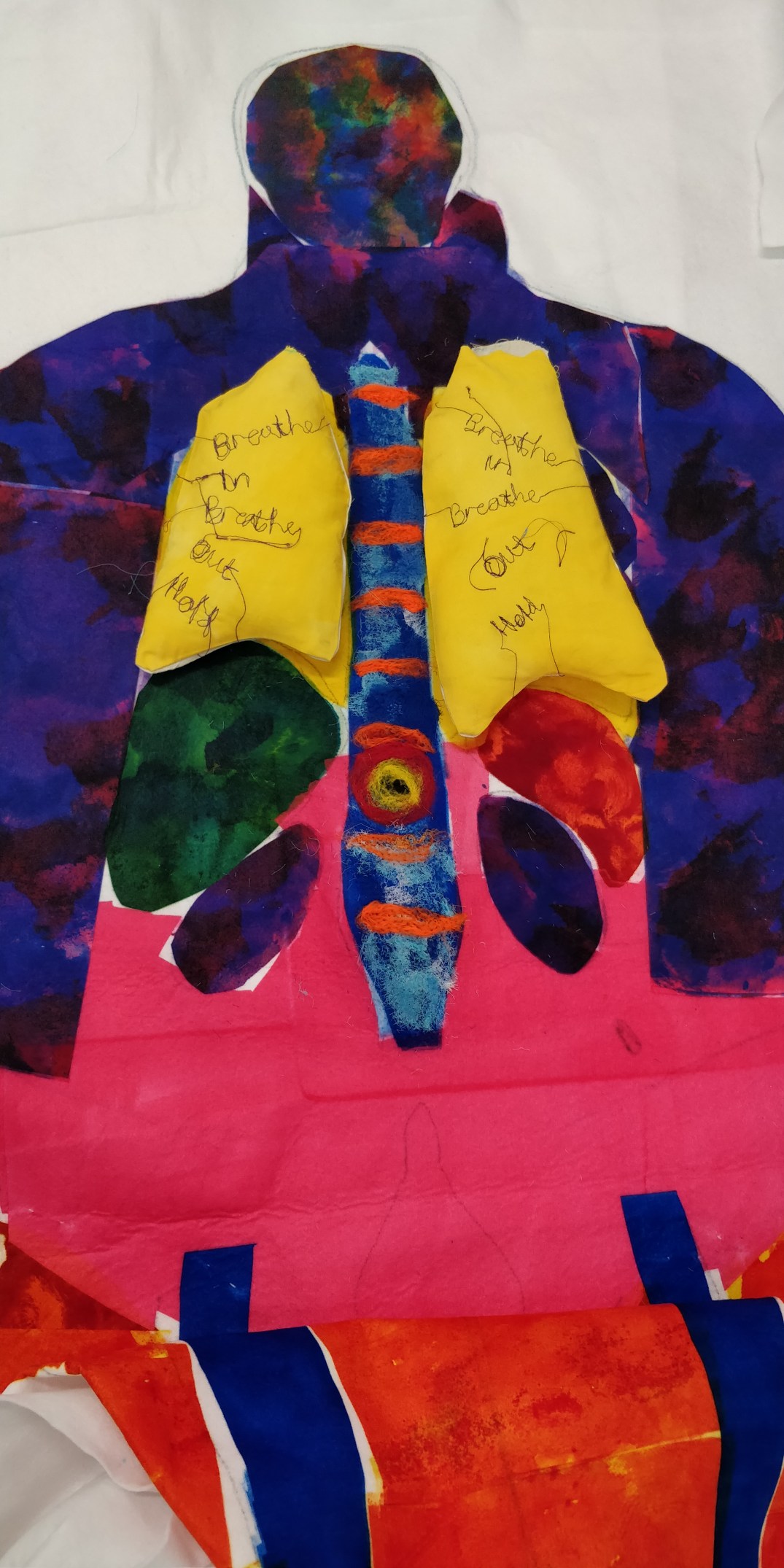
Making Art in Response to a Rare, Life-limiting Illness Diagnosis ABSTRACT How does one comprehend and adjust to a diagnosis of a rare life-limiting illness? This paper discusses how I have used art to respond to a diagnosis of Amyloidosis. The discussion is set within the context of artists, Jo Spence, Robert Pope, Elizabeth Jameson, Deborah Padfield, and Eugenie Lee who made work in response to cancer, multiple sclerosis, chronic pain, and endometriosis diagnoses. The paper discusses how and what art can communicate about the experience of serious illness and will examine how (Murray & Gray, 2008) views on the psychology of health and (Carel, 2019) considerations of phenomenology can be used to interpret the experience of ill health for the individual. The paper will also consider how, if artwork is made as part of a healing or therapeutic process, it can also communicate something of the experience to others including clinicians, other patients, carers and the wider public. Set within current debate on the role of the arts in health and well-being, the paper considers how art can interpret and communicate the medical and personal reality of complex medical conditions and the experience of living with those conditions.
May always brings a glut of art to look at and enjoy particularly in Brighton where we have the Brighton Festival. This year the guest director David Shrigley has put on an interactive installation Life Model II at Fabrica Gallery. The installation features a larger than life mannequin in the middle of a typical life drawing set up. Visitors are encouraged to take part and draw the model, these efforts are show on the walls.
David Shrigley Life Drawing II
A big part of Brighton Festival is the Artists Open Houses. Artists open their or their friends homes to the public for the purpose of selling their wares. This gives people chance to bag a locally made bargain while having a good nose around other peoples houses in different parts of town. The reality is that a lot of houses are operating as a craft fair selling jewellery, home-wares, prints of assorted Brighton landmarks such as the Royal Pavilion and the pier, seagull models and other assorted products of varying quality accompanied by tea and cake in the garden. This is I think the result of the high cost of being part of the artist houses trail. But occasionally you find a house showing good quality paintings or sculpture. This is the case with the Collectors Selection, part of the Hove trail, which is showing a good selection of Sculpture. Including work by Eve Shepherd and Fiona Morley.
Eve Shepherd
Fiona Morley
Phoenix artist studios open weekend was a great opportunity to see a wide variety of professional artist’s studios and the work they create. It was also great to catch up with Lucy Brown,Michelle Cobin and Eve Shepherd and see their latest work and be encouraged with my work.
Lucy Brown ‘In 1962 the birth control pill was available… but only to married women’
Michelle Cobbin Composure
Last but not least is the degree show at the University of Chichester. Students present an exhibition which is the culmination of three years study.
March’s exhibitions were in places not normally open to the public. Candida Stevens galley presented part of Stephen Farthing’s collection of paintings Museums of the World in the private gallery of Simon Draper, former chairman of Virgin Music Group. The paintings were interspersed with Simon’s impressive collection of contemporary art.
Bridget Riley Set Fair 2 1990
Nina Saunders Milk and Honey 2004
Patrick Caufield Terrace 2002
Richard Long Monkton Cross 2004
Stephen Farthing The Museum of Post Cubist Painting, 2017
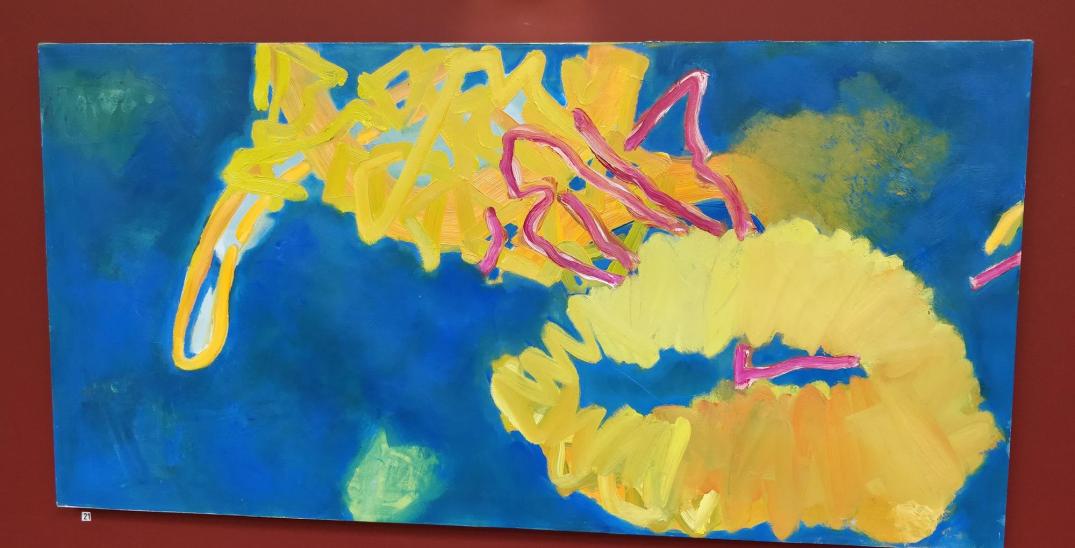
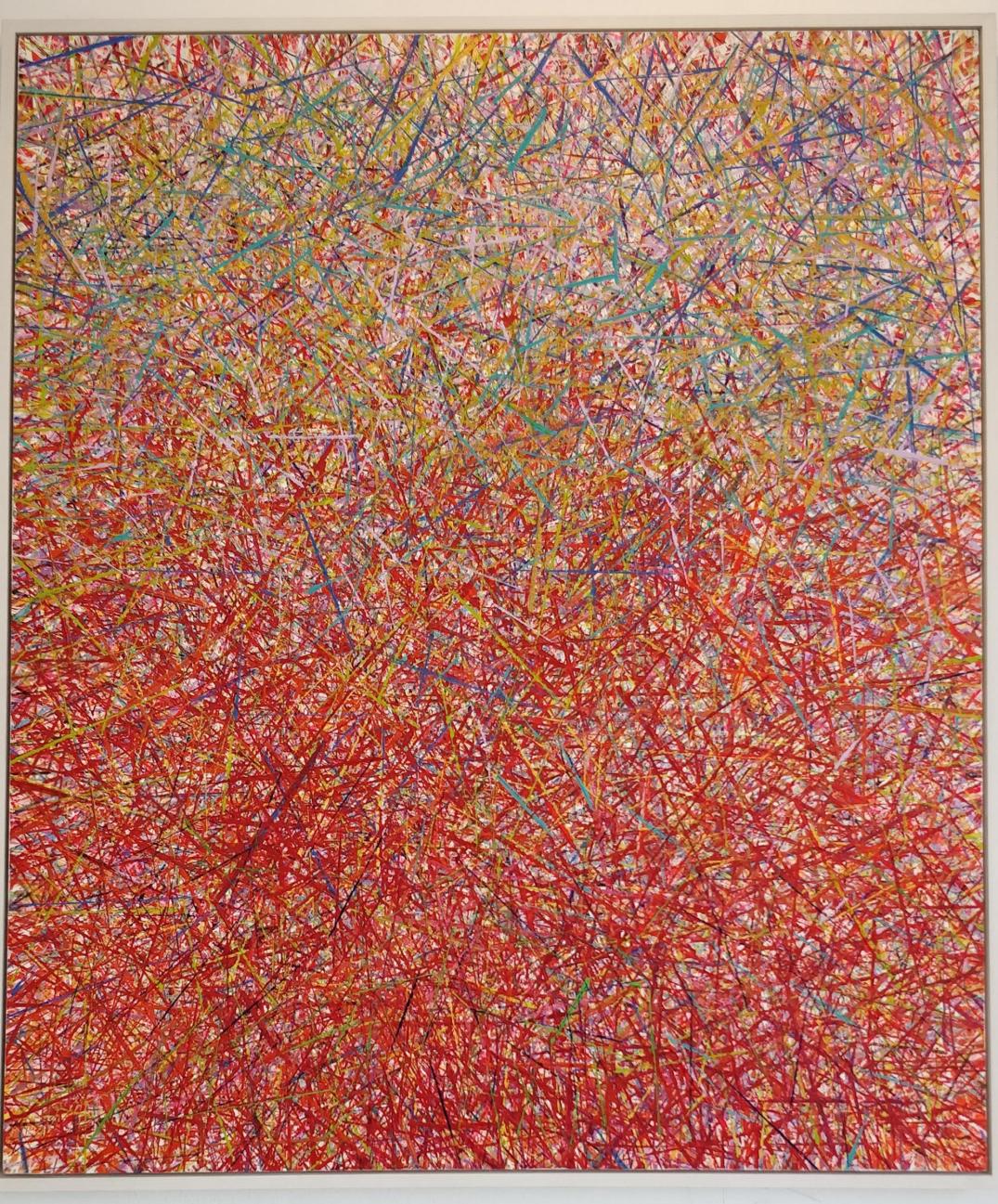
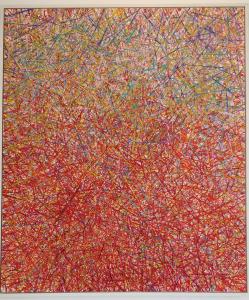
A friend invited me to see her friend Ann O’Daly’s exhibition A Forward Step Back with Ann Cook. The art was interesting because it was inspired by bodily experience. I also enjoyed the colour and application of paint.
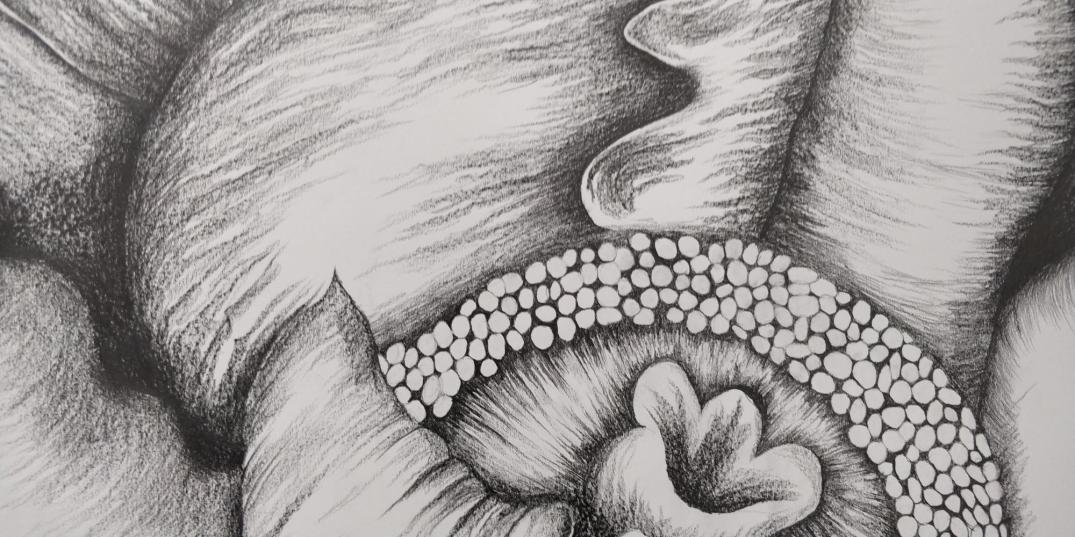
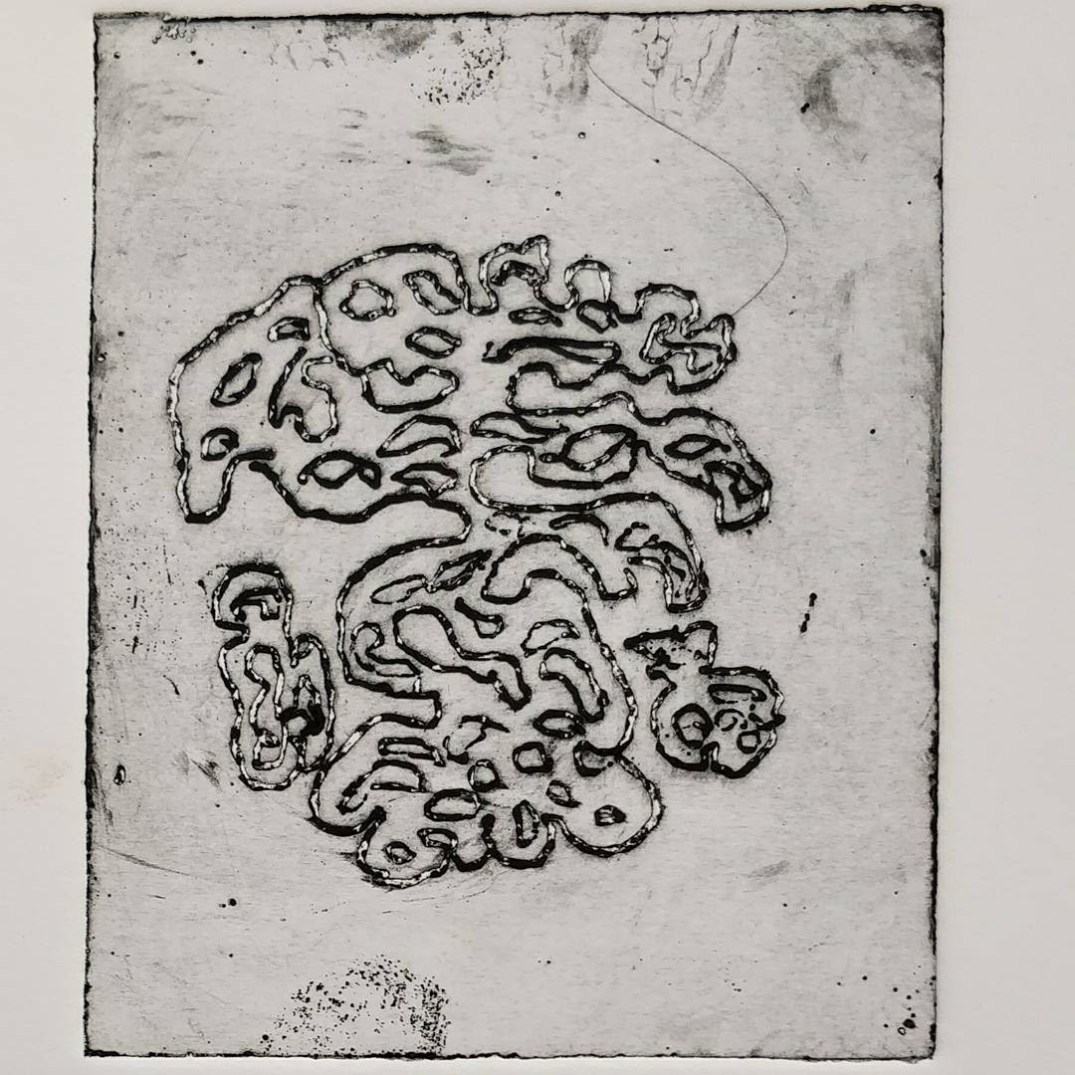
I’ve been spending time exploring a new technique for making work. This has been acid etching to make prints of my images. I have enjoyed the scientific approach to creating etchings but I still have issues with making clean prints. It also removes the possibility of lots of colour in the work.
Amyloid Etching
Cellular Etch
The Cellular etch was made by coating the plate with masking varnish and then dripping meths onto the plate to remove the varnish in an interesting way.









 Karen Lintott